
Background Information

Injibara city is one of the existing and ancient cities under the administration of the Awi ethnic group. It is said that before 1948, it was used as the central city of Metekel, Bahir Dar, Kola Dega Damot and Agew Midir . Realizing that the city of Injbara is in a mountainous area, its chances to expand are limited, and the residents of the city began to settle in the area called Kosobar, so it must have accompanied its residents.

Realizing that the city of Injbara is in a mountainous area, its chances to expand are limited, and the residents of the city began to settle in the area called Kosobar, so it must have accompanied its residents. The center of the district was moved from Injibara to Kosober and when Awi ethnic administration was established in March 1987, the city of Kosober was chosen as the center of the zone, but the name Injibara was replaced by Kosober, and the old name became the name of new institutions. The name of Injbara Teachers Education College is derived from this historical situation.

The issue of resistance of the Awi ethnic group is the promotion and development of the language and culture of the Awi ethnic group. As confirmed by the studies presented at the National Symposium in 1988, the number of speakers of the Awi language was decreasing as the Awi language was absorbed by the local languages. After confirming the right of the members of the ethnic group to use their language and according to the studies presented, the Awigna alphabet was designed and approved and it was decided to be the language of instruction from 1989. Teaching started with 10 untrained teachers, 5 schools and 310 students.

However, realizing the harm caused to the quality of education by having teachers who knew the language but had not received training until 2000E.C, the regional government started a movement to provide appropriate and standardized training to teachers. Thus, considering this problem, the regional education office started the certificate level training in 1999 at the Markos Teacher Training College to teach 40 trainee teachers how to teach Awigna language as a form of education.

In the year 2000E.C, the number of trainees reached 120. Under the coordination of Awigna Unit, trainers were assigned to each subject and started working in 2001.

Mission and Vision

Mission: By accepting trainees who have a desire to become a teacher, by providing training in knowledge, skills and a developmental perspective; They are to produce qualified primary school teachers and to solve the problems encountered in teaching and learning through curriculum preparation and evaluation, research and, to maintain the quality of education and to provide community services for the society to play its part in the development of education.

Vision: It aims to become a leading training institution in the region by 2022 by producing qualified teachers who will be the reason for the overall national development.

Motto: A Journey to Educational Excellency

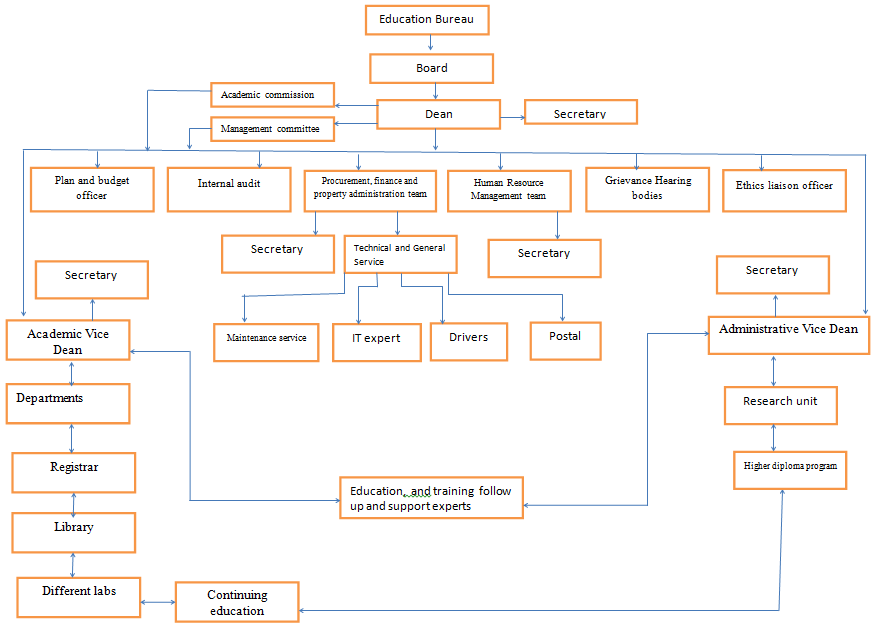
Organizational Structure

Our College is governed by a structured hierarchy that ensures efficient management and decision-making. Our organizational structure includes the Board of Members, Deans, Vice Deans, Department Heads, and administrative staff. Each team member plays a crucial role in upholding the college’s standards and achieving our mission and vision.

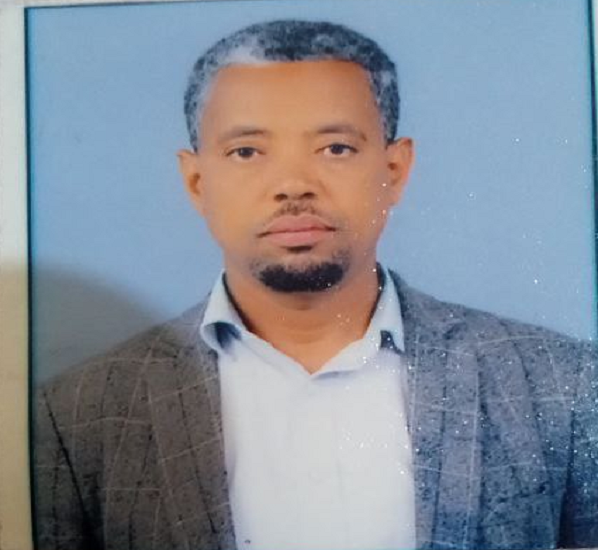
Getachew Admass

Getachew Admass

dean

He ensures the college meets its strategic goals and upholds its mission and vision.
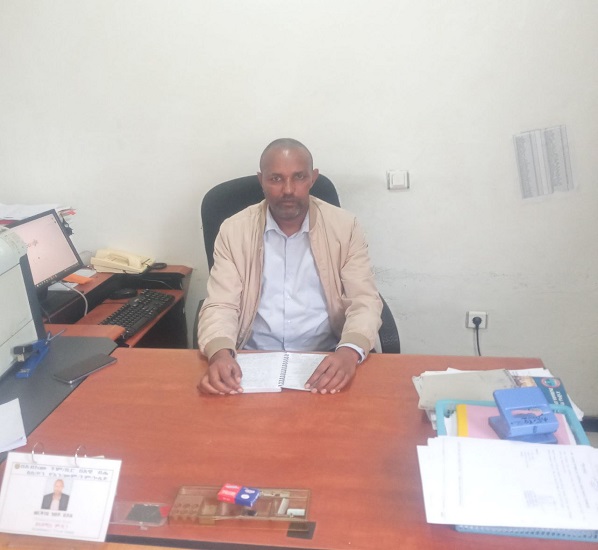
Workneh Kebede

Workneh Kebede

Academic Vice Dean

He is responsible for the academic integrity and oversees curriculum development .
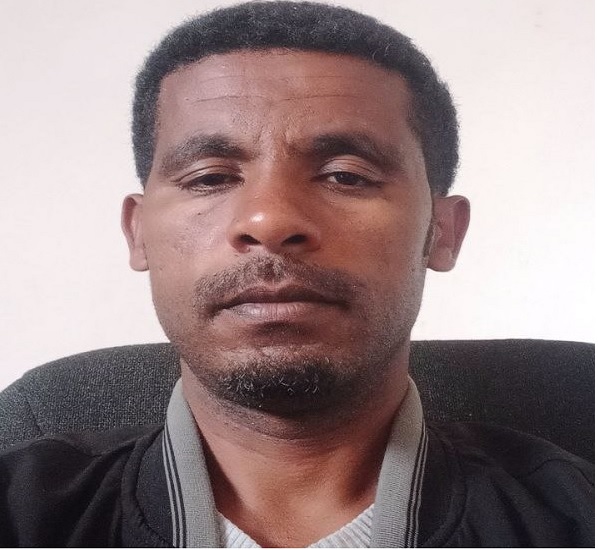
Tilahun Alemneh

Tilahun Alemneh

Administration vice dean

He oversees the overall administrative operations of the College. He brings growth at the college.

Dean's Message

 Coming Soon …